It gets hot early in New Orleans. You switch on the a/c system and find yourself and also those around you sneezing. I can't be allergic to the air conditioning system, can I? After considering the ac system allergic reaction theory, you move onto chalking it up to something more possible such as, seasonal allergies. You may not be entirely correct with your medical diagnoses, however you could be on the right track.
Your cooling system as well as seasonal allergic reactions might both be contributing in what you perceive as an ac system allergy. It's not that you are allergic to your a/c unit, it's that you are allergic to the impurities that are being pushed through it, which can include seasonal allergens and various other not-so-nice stuff. The following pollutants might be targeted for your ac unit allergy:
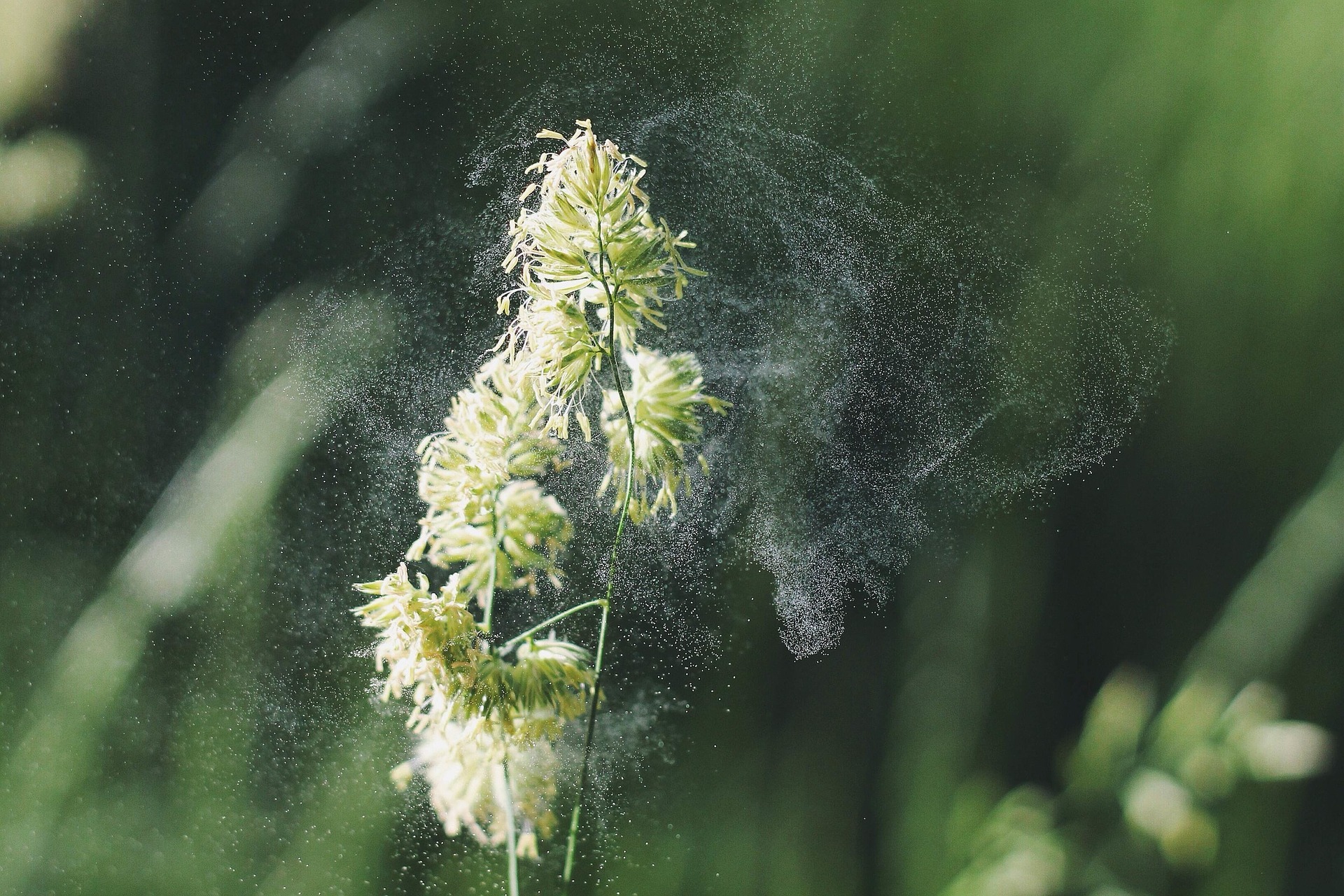 Plant pollen
Plant pollen often enters your living/work space through open doors as well as windows, yet can be tracked within on shoes as well as apparel. Consequently, pollen can become embedded in carpets as well as furniture, which contributes to seasonal allergic reactions. Numerous allergists suggest cooling as a means to filter plant pollen from the air. If you reside in a city that is not specifically bursting with plants, your a/c allergy may be triggered by various other allergens.
Animal Dander
According to the Asthma and Allergy Foundation of America, as numerous as 3 in 10 people with allergic reactions have allergic reactions to felines and also canines in the USA. The majority of us enjoy our pets as well as would only give them up for fostering as a last option if a person in our house or business was allergic to pet dander. We 'd likely search for various other remedies.
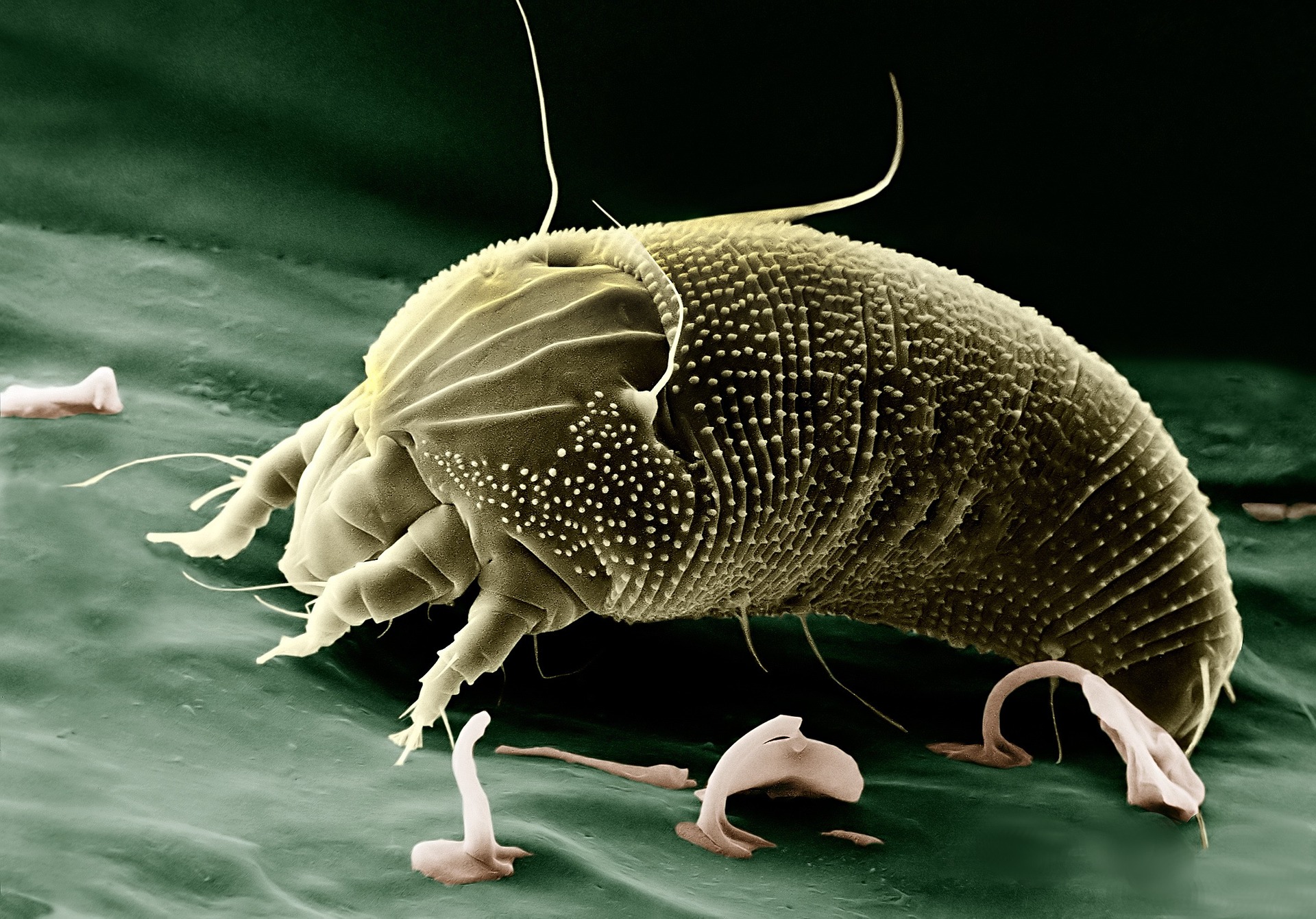
Dust Mites/Allergens
Whether your home or job area lies in the city or suburb, it is almost impossible to keep it clear of dust mites or allergens, no matter just how fastidious you are with keeping the area clean. Like some pollen, dust mites/allergens are fairly large bits and the larger the fragment, the quicker they will certainly settle from the air to a surface, that makes these two irritants a more usual and consistent issue and also regular reason for an ac unit allergic reaction.
Mold and Mildew
Mold and mildew, a fungi born in damp areas, could be the reason for your a/c unit allergic reaction. Many types of mold and mildew can cause allergies in a wide variety of individuals and especially allergic reaction patients, the young and also the elderly. Mold and mildew grow under wet conditions, including humidity, (not in New Orleans right?), and also water leakages which could be occurring with an overlooked a/c system.
 Bacteria and Viruses
Your ac unit could be blowing more than good air. If germs and also viruses have penetrated your system, they can be distributed throughout your interior area by means of HVAC air ducts. Left unattended, it can result in Sick Building Syndrome, when your building's occupants start complaining or voicing their concerns about a variety of wellness problems, but do not have a specific health problem such as the flu.
Pollution
If you live or work in a medium to large city like the Greater New Orleans Metro Area, you probably believe you're secure from smoke or other outside pollutants behind the walls of your living or work area. Facts are that the EPA (Environmental Protection Agency) has determined that the air inside can be at minimum 2 to 5 times more contaminated than outdoors! So, outside toxins can be creeping right into your interior area and can be contributors to your a/c allergy problem.
Volatile Organic Compounds (VOCs) and Chemicals
VOCs as well as chemically induced allergic reactions in your work environment from a selection of cleaning supplies and various other products could be the source of air conditioner allergy problems.
VOCs are gases given off by a selection of common products. Though ozone is usually thought of as a gaseous layer in the upper atmosphere, which is dangerous to air quality, ozone is emitted by normal supplies and also equipment located in residences and also workplaces such as printers, adhesives and permanent markers and pens. You may associate an additional VOC, formaldehyde, with scientific research lab experiments. Nonetheless, formaldehyde and also various other VOCs are emitted by things like cleaning supplies, paint, chemicals, gas, cigarette smoke as well as furnishings and carpets.
Exactly how do all these pollutants find their way right into my breathing space?
Moisture is possibly the most prevalent promoters of your HVAC system creating pollutants. This begs the question-- Where does the excess humidity originated from? You could have an oversized ac unit. If your air conditioning system is too powerful, it will cycle on and off often and not remain on long enough to get rid of moisture from the air. High humidity can likewise be brought on by inadequate ventilation. A competent New Orleans HVAC Contractor can fix this problem by re-directing duct work or adding makeup air.
You may have neglected maintenance, which could mean your system is operating inefficiently. When your system's evaporator and also condenser coils are unclean, it might hinder the transfer of warmth, which will certainly cause ineffectiveness and also a struggle to eliminate moisture from the air. Coil cleaning and various other preventative maintenance work becomes part of many service contracts with Heating and Cooling specialists. Purchasing a comprehensive HVAC tune-up could help to prevent an air conditioning system allergy problem before it starts.
Air Conditioner Allergy Prevention Techniques
Installing the proper filters and changing them on a prompt basis is a key part of combating an ac system allergy issue. If you're like most individuals, you possibly think that your system's air filter needs to be adequate to prevent an a/c allergic reaction The desired objective of the filter is to keep dust off your cooling devices to preserve efficient operation.
While common paper filters help eliminate dust from the air, there are much better choices to remove the small particles that are the cause for an ac unit allergy. HEPA (High Energy Particulate Air) filters are designed to trap smaller sized bits such as bacteria, mold and smaller sized stains of plant pollen. HEPA filters consist of largely packed glass fiber layers rather than paper and also the top ones can obstruct approximately 99% of those fragments responsible for your a/c unit allergic reaction.
While installing a HEPA filter will go a long way to solving your ac unit allergic reaction problem, it is important to choose a premium quality one. HEPA filters are rated for their effectiveness in capturing various size bits. The MERV (Minimum Performance Coverage Worth) range is from 1-12. The higher the MERV score, the better the filter is at trapping the tiniest of fragments. Seek a MERV ranking of 10 or above.
While picking an effective HEPA filter is half the battle, you must not neglect to change the filters frequently and also much more often throughout allergic reaction period. You should change the filters at least every other month and also more frequently if you live or work in a thriving city for irritants. Picking the best filter, as well as changing it, is important, however cleaning and also maintaining the entire system is likewise essential. A New Orleans HVAC Contractor can not only install equipment but set you up with an efficent maintenance program as well.
Clean your duct work to avoid an a/c unit allergic reaction.
If your cooling system is not operating appropriately or if you have an ineffective filter, different irritants including plant pollen, mold and mildew can make their means to your duct work where they build up as well as are distributed throughout your home, your work space or throughout the building you own/manage. Not just will duct cleaning boost your air quality, but it will additionally enhance the effectiveness of your HVAC system.
Air purifiers are beneficial to avoid HVAC system allergy.
If you want to go above and beyond to make certain that annoying fragments making you sneeze are removed from the air, you can think about setting up an air cleanser. Central air filtration systems remove dirt, mold and mildew, germs and also viruses from the air distributed throughout your HVAC system. They utilize a heavy-duty HEPA filter to trap biggest particles like dust as well as electrostatic fields to capture microscopic particles like viruses.
To identify what steps you should take, why not employ a professional from Airpro Services, Inc., a certified HVAC company, to evaluate your system and make suggestions? Proper upkeep is a rewarding investment in terms of keeping an air conditioning system allergy from invading your facility's space.
For a highly qualified commercial HVAC contractor in the greater New Orleans area please consider Airpro Services, Inc., come visit us at https://airpro-services-inc.business.site/
